Expert Tips for Residential New Construction Success
Residential New Construction: Essential Guide to Building Your New Home with Expert Contractors
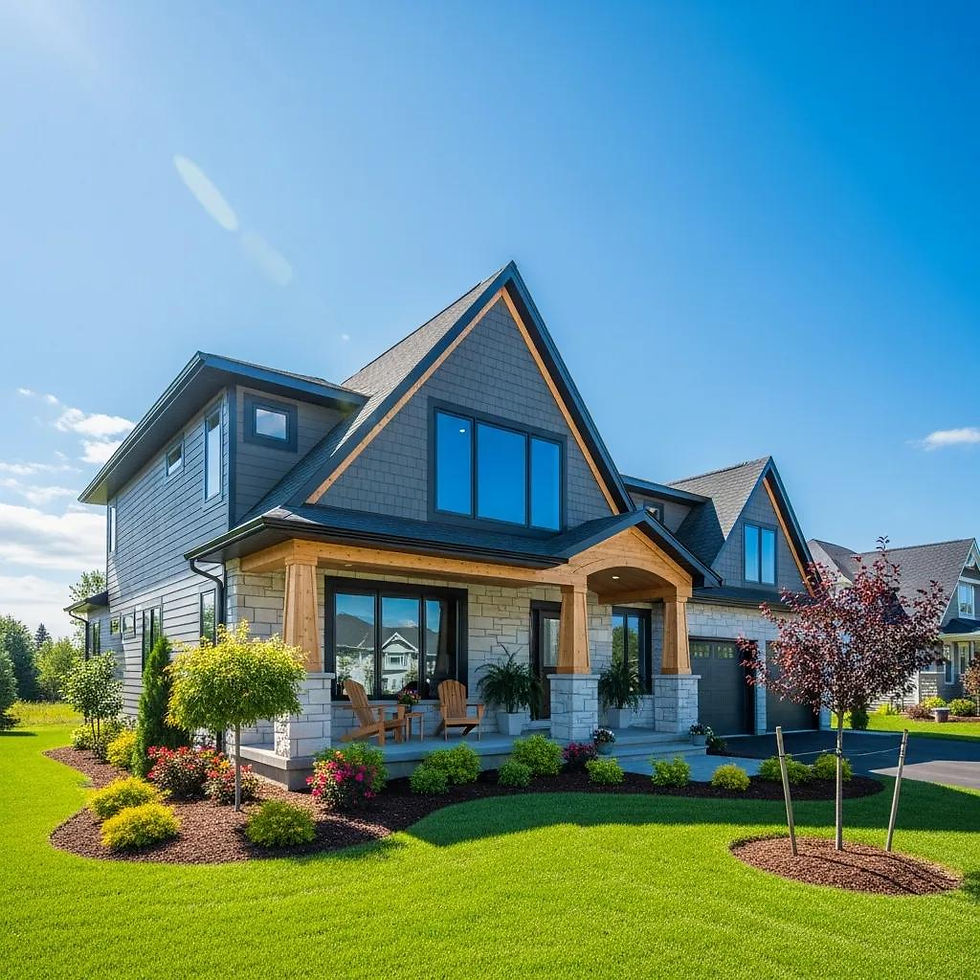
Building a new home is exciting but complex. This guide gives clear insight into residential new construction in Raleigh, Durham, and Chapel Hill. You'll learn the construction phases, required permits, key cost drivers, financing options, and the benefits of energy-efficient, sustainable choices. We also cover how remodeling can complement a new build. With this information you can make informed decisions and keep your project on track.
What Is the New Home Construction Process in Raleigh, Durham, and Chapel Hill?
The new-home construction process breaks down into key phases that turn your vision into a finished house. Knowing these stages helps you manage decisions and expectations. Typically you start with planning and design, then secure permits, and then move into construction. Each phase ensures the project meets local regulations and quality standards.
Research shows early design decisions strongly influence total construction costs.
Residential Construction Cost & Design PhasesThe article examines the theoretical and methodological foundations for forming construction costs during design stages. It notes that international authors use different names for phases, but the project phases and their goals are generally the same. It finds that the design stages of a residential building most often include: conceptual phase, predesign, design, tender, construction, use. This paper aims to define construction cost at the most important cost-driving stages: predesign, design and construction, using international and Russian experience.Formation the construction cost for residential buildings at the design stages, N Tsopa, 2018
Step-by-step overview of residential new construction phases

Initial Planning and Design : This phase involves working with architects and designers to create a blueprint that reflects your vision. It includes selecting materials, layouts, and finishes that align with your preferences and budget.
Permitting and Approvals : Before construction can begin, you must secure the necessary building permits from local authorities. This step ensures compliance with zoning laws and building codes.
Construction Phases : The construction phase includes site preparation, foundation work, framing, installation of systems (plumbing, electrical, HVAC), and finishing touches. Each stage requires careful oversight to maintain quality and adherence to timelines.
Final Walkthrough : Once construction is complete, a final walkthrough allows you to inspect the home and ensure everything meets your expectations before closing.
How project management ensures quality and timely completion
Effective project management keeps the build on schedule and up to standard. Project managers coordinate contractors, suppliers, and stakeholders so everyone follows project goals. They set quality checks, keep you informed, and resolve issues quickly. That proactive oversight reduces delays and improves final quality.
Which Permits and Regulations Are Required for New Home Construction in North Carolina?
Navigating legal requirements is essential for compliance and a successful build. In North Carolina, a range of permits and regulations govern construction to ensure safety and conformity with local standards.
Understanding local building permits and legal requirements
Building Permits : Required for all new construction projects, these permits ensure that the building complies with local codes and safety standards.
Zoning Regulations : These regulations dictate how land can be used and may affect the design and placement of your home.
Inspection Requirements : Various inspections are required throughout the construction process to ensure compliance with building codes and safety standards.
How APAL Building Company navigates NC construction regulations
APAL Building Company knows North Carolina's rules and streamlines the permitting process. They work with local authorities to secure approvals efficiently, helping clients avoid delays and complications for a smoother build.
Maintaining compliance with these regulations, especially for energy efficiency, is an ongoing priority in North Carolina.
North Carolina Residential Energy Code ComplianceThe project implemented and tested methods to assess compliance with the energy code, developed educational programs and resources for key compliance issues, conducted a statewide outreach and training campaign, taught building and inspection professionals about compliance issues, and performed a follow-up study to measure changes in compliance rates.Investigate Strategies to Increase Residential Energy Code Compliance Rates and Measure Results in North Carolina, 2018
What Are the Cost Factors and Financing Options for Residential New Construction?
Knowing the main cost drivers helps you budget accurately. Several key expenses influence the total cost of building a new home.
Key expenses influencing new home construction budgets
Material Costs : The choice of materials significantly impacts the overall budget. High-quality materials may increase upfront costs but can lead to long-term savings through durability and energy efficiency.
Labor Costs : Skilled labor is essential for quality construction. Labor costs can vary based on the complexity of the project and the local market rates.
Permitting Fees : Obtaining the necessary permits incurs fees that should be factored into the overall budget.
Available financing solutions for custom home building
Homeowners have several financing options for new construction projects, including:
Construction Loans : These short-term loans cover the costs of building a new home and are typically converted into a mortgage once construction is complete.
Traditional Mortgages : After the home is built, homeowners can secure a traditional mortgage to finance the purchase.
Grants and Assistance Programs : Various programs may be available to assist with financing, particularly for first-time homebuyers or those building in specific areas.
APAL Building Company can help clients review financing options and identify the solution that best fits their circumstances.
How Can Energy Efficiency and Sustainable Building Practices Benefit Your New Home?
Adding energy-efficient and sustainable features reduces operating costs and lowers environmental impact while improving comfort.
Energy-efficient features to include in new construction

High-Quality Insulation : Proper insulation reduces energy consumption by maintaining comfortable indoor temperatures.
Energy-Efficient Windows : Installing double or triple-pane windows minimizes heat loss and enhances energy efficiency.
Smart Home Technology : Integrating smart systems allows homeowners to monitor and control energy usage effectively.
Sustainable materials and their impact on home value
Using sustainable materials benefits the environment and can increase your home's value. Recycled materials, low‑VOC products, and sustainably sourced wood improve indoor air quality and appeal to eco-conscious buyers.
How Does Remodeling Integration Enhance Your New Home Construction Project?
Integrating remodeling with new construction creates smooth transitions between existing structures and new additions, improving both function and appearance.
Combining remodeling and new construction for seamless results
Experienced contractors ensure new spaces complement existing structures. That produces cohesive design elements, maximizes usable space, and delivers a more functional, attractive home.
Roofing considerations during new home building
Roofing is a critical part of new construction; the right materials and installation affect durability and energy performance. APAL Building Company offers expert roofing services to protect your home and enhance curb appeal.
Cost Factor | Description | Estimated Range |
Material Costs | Costs associated with building materials | $50,000 - $150,000 |
Labor Costs | Expenses for skilled labor during construction | $30,000 - $100,000 |
Permitting Fees | Fees for obtaining necessary permits | $1,000 - $5,000 |
This table highlights key cost factors in residential new construction to help homeowners plan budgets more effectively.
Frequently Asked Questions
What should I consider when choosing a contractor for my new home construction?
Check a contractor's experience, reputation, and past projects. Prefer those focused on residential work with a solid portfolio. Read reviews, ask for references, confirm licence and insurance, and agree on timeline and budget up front. A reliable contractor communicates clearly and is transparent about costs and processes.
How can I ensure my new home is energy efficient?
Use high-quality insulation, energy-efficient windows, and modern HVAC systems. Add smart home controls to monitor usage. Choose sustainable materials like low‑VOC paints and recycled products. A contractor experienced in energy-efficient builds will help implement these features and reduce bills.
What are the common challenges faced during the construction process?
Common challenges include weather delays, supply-chain disruptions, and unexpected site conditions. Design or budget changes can also cause issues. Strong project management and regular communication with your contractor help address problems quickly. Staying flexible and prepared reduces stress.
How long does the new home construction process typically take?
Build time varies with size, complexity, weather, and contractor efficiency. Typically a new home takes six months to over a year. Good planning and timely decisions can shorten the schedule. Discuss realistic timelines with your contractor for your project.
What financing options are available for first-time home builders?
First-time builders can use construction loans that convert to mortgages, obtain traditional mortgages after completion, or pursue local and state grants or assistance. Talk with a financial adviser or mortgage specialist to find the best option for your situation.
How can I incorporate sustainable practices into my new home construction?
Choose eco-friendly materials, install energy systems like solar and high-efficiency appliances, use water-saving fixtures, and plan low‑maintenance landscaping. Work with a contractor experienced in sustainable building to make the home efficient and cost-effective over time.
Conclusion
Building a new home lets you tailor the design to your lifestyle. Understanding the phases, permits, and financing options helps you make better decisions and achieve a successful build. Energy-efficient and sustainable choices boost value and reduce environmental impact. Begin your project with expert guidance from APAL Building Company.


Comments