Top 5 Warning Signs Your Roof Needs Immediate Repair or Replacement in the Triangle Area

Roof maintenance protects a property from weather and preserves a home’s lifespan. Homeowners can miss early warning signs that lead to costly damage and safety risks. In the Triangle—Raleigh, Durham, Chapel Hill—recognising these signs helps prevent major issues during heavy rain or storms. This article outlines five urgent indicators and provides practical guidance so homeowners can act early. When needed, professional services such as APAL Building Company can assist with prompt, quality solutions.
What Are the Top 5 Signs Your Roof Requires Urgent Attention in the Triangle Area?
Spotting early roofing problems is essential. Timely recognition enables repairs that limit damage and protect long-term value.
Shingle Damage: Inspecting shingles for physical damage is essential. Signs such as curled edges, cracks, or missing shingles indicate that your roof may be compromised and needs immediate attention.
Water Stains and Leaks: Water stains on ceilings or walls signify potential leaks in the roof. These leaks can lead to serious internal damage if not detected early.
Mold or Mildew: Finding mold or mildew on your ceiling or walls is a strong indicator of excessive moisture, often a sign of roof leakage.
Sagging Roof: A noticeable sag in areas of the roof indicates structural issues, often caused by water accumulation or weakened support structures.
Granules in Gutters: If you notice an unusual amount of granules from shingles in your gutters, it suggests that the protective layer of your roof is wearing off, which can lead to further damage.
How Does Shingle Damage Signal Roof Repair or Replacement Needs?
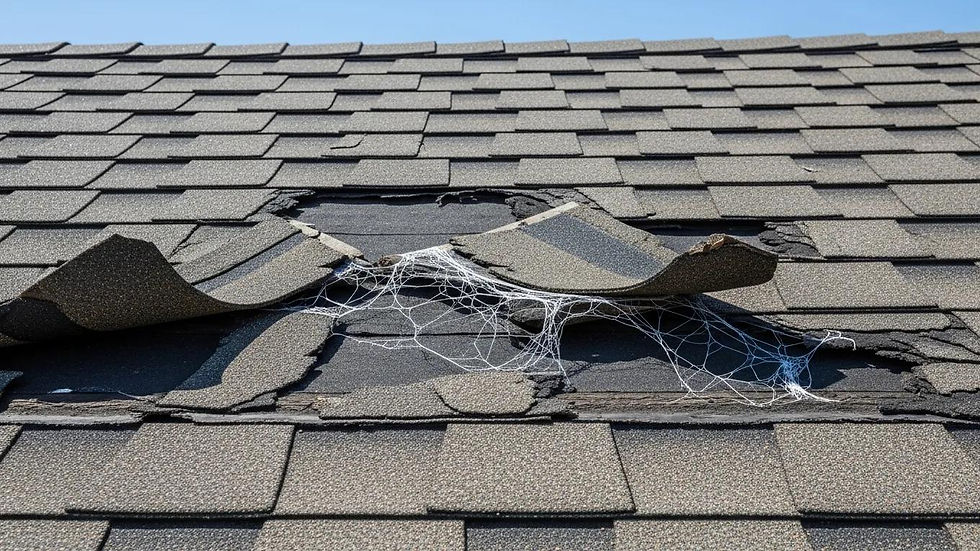
Shingle damage such as curling, cracking, or missing pieces reduces a roof’s ability to shed water and maintain structural integrity. Deterioration typically worsens over time, so early inspection is essential to limit repair costs. Left unaddressed, damaged shingles can lead to leaks and more extensive work. For professional assessment and repair options, consider exploring APAL Building Company services.
What Do Water Stains and Leaks Reveal About Your Roof's Condition?
Water stains on ceilings and walls usually indicate roof leaks. Water entering the roof assembly can damage insulation and timber and create conditions for mould growth. Identifying the leak source quickly reduces further damage and health risks. Arrange a professional inspection to determine the extent and cause of any leaks.
Why Is Early Roof Repair Crucial for Longevity and Durability in Triangle Homes?
Prompt repairs extend a roof’s service life and protect a home’s value. Addressing issues early preserves structural integrity and prevents small defects from becoming costly failures.
How Can Delayed Repairs Affect Structural Integrity and Home Value?
Delaying repairs can weaken a home’s structure and reduce property value. Unresolved roofing problems lead to higher repair costs, lower energy efficiency, and potential safety hazards. Visible roof damage also affects marketability and can give buyers leverage during negotiations.
What Benefits Does Emergency Roof Repair Provide in Protecting Your Property?

Emergency repair stabilises a roof after immediate damage and prevents further water intrusion. Rapid response reduces interior damage and limits the scope of future repairs. APAL Building Company offers prompt solutions designed to mitigate damage and help homeowners maintain the long-term durability of their properties.
What Should You Expect During a Professional Roof Replacement in the Triangle Area?
Knowing the replacement process helps homeowners plan and budget. A professional replacement includes inspection, material selection, removal of old materials, careful installation, and final review to ensure performance and safety.
How Do Roofing Materials and Local Conditions Influence Replacement Choices?
Material selection affects durability, cost, and performance. In the Triangle, choose materials suited to humidity and heavy rainfall. Options like asphalt shingles, metal roofing, and tile each offer different benefits for longevity, cost, and appearance. A qualified contractor can recommend the best choice based on local conditions and your priorities.
What Are the Steps Involved in a Quality Roof Replacement?
A quality roof replacement includes several critical steps:
Inspection and Assessment: A thorough evaluation is performed to determine the roof's condition and the extent of required repairs.
Material Selection: Homeowners choose roofing materials that suit their budget and aesthetic preferences, with guidance from experts.
Removal of Old Roof: The existing roofing material is safely removed to allow for a new installation.
Installation of New Roofing: Following best practices, new materials are installed, ensuring proper sealing and insulation.
Final Inspection: A final inspection ensures that the installation meets safety and quality standards.
This structured approach safeguards performance, supports structural integrity, and delivers long-term value for homeowners.
How Does APAL Building Company Ensure Reliable Roofing Repairs and Replacements in the Triangle Area?
APAL Building Company focuses on quality and reliability throughout every roofing project. Their process combines experienced teams, careful oversight, and quality materials to achieve consistent results.
What Credentials and Experience Do APAL Roofing Professionals Bring?
APAL employs licensed contractors with years of field experience. Their qualifications and emphasis on high-quality craftsmanship support durable outcomes and help ensure projects meet established standards for safety and performance.
How Do Client Testimonials Reflect APAL's Commitment to Customer Satisfaction?
Client testimonials consistently highlight professionalism, timely completion, and thorough workmanship. Positive feedback reflects the company’s focus on meeting client needs and delivering solutions that preserve value and durability.
What Are the Common Questions Homeowners Have About Roof Repair and Replacement?
Homeowners commonly seek clear information on processes, costs, and timelines to make informed decisions about repair and replacement.
How Do I Determine When to Repair Versus Replace My Roof?
Repair is often suitable for limited, localised damage. Replacement is usually the better option for widespread deterioration or roofs beyond their expected service life. Consider the roof’s age, extent of damage, and prior repairs when deciding.
What Costs Are Associated with Emergency Roof Repairs in the Triangle?
Emergency repair costs vary with damage severity and materials required. Acting promptly can reduce total expense by preventing escalation. Seek transparent estimates to plan effectively.
Different roofing materials used in the Triangle area exhibit various characteristics, which can influence homeowner decisions during replacement.
Material Type | Durability | Cost Range | Environmental Impact |
Asphalt Shingles | Moderate | $100 - $120 per square | Recyclable |
Metal Roofing | High | $150 - $300 per square | Recyclable |
Tile Roofing | Very High | $400 - $600 per square | Low impact |
Frequently Asked Questions
1. What are the typical signs of a roof that needs replacing?
Typical signs include extensive shingle damage, persistent leaks, sagging sections, and heavy granule loss in gutters. Roofs older than about 20 years showing multiple issues are often more cost-effective to replace than to repair. Regular inspections help homeowners make informed choices about maintenance or replacement.
2. How can I find a reputable roofing contractor in the Triangle area?
Research local companies, verify licenses and insurance, and read reviews. Ask for referrals, written estimates, and warranty terms. Organisations like the Better Business Bureau can help check a contractor’s reputation and any registered complaints.
3. How often should I have my roof inspected?
Have your roof inspected at least once a year, ideally in spring or fall. After severe weather, schedule additional inspections. Regular checks identify early issues and extend roof life through timely repairs.
4. What is the average lifespan of different roofing materials?
Typical lifespans vary: asphalt shingles generally last 15–30 years, metal roofs 40–70 years, and tile roofs 50 years or more. Select materials based on local climate, maintenance needs, and long-term value.
5. What should I do if I suspect a roof leak?
If you suspect a leak, inspect ceilings and walls for stains and check the attic for moisture or light penetration. Document damage and contact a professional roofing contractor for assessment and repairs to limit further harm.
6. How do weather conditions affect roof maintenance?
Local weather dictates maintenance priorities. In high-rainfall areas, monitor for leaks and drainage issues. In heat-prone regions, inspect for heat-related shingle damage. Tailor inspection and maintenance schedules to local climate risks.
7. Are there any DIY maintenance recommendations for homeowners?
Homeowners can prolong roof life by cleaning gutters, trimming overhanging branches, and clearing debris. Visual checks for loose or damaged shingles can catch early problems. For substantial repairs or replacements, hire professionals to ensure safety and quality.
Conclusion
Recognising key signs of roof damage helps homeowners avoid costly repairs and protect their property. Timely action preserves structural integrity, supports long-term value, and maintains safety. For expert guidance on roof maintenance and repair, consider contacting APAL Building Company to discuss options and next steps.


Comments