Unlocking Success: Key Factors for a Full Home Remodel
Essential Factors for a Successful Full Home Remodel: A Comprehensive Guide for Homeowners

A full home remodel can feel exciting and overwhelming. This guide outlines the key factors for a successful project. From planning to picking contractors, understanding the details shapes your final result. Homeowners commonly face budget limits, schedule pressures and material choices—this guide tackles those pain points with practical steps. We cover planning, budgeting, contractor selection, permits, design ideas and more so you're ready for the remodel.
What Are the First Steps in Planning a Full Home Remodel?
Start by defining the project scope, setting a timeline and creating a budget. These basics keep the work on track and align expectations. Clear goals help you avoid common pitfalls and make smarter decisions at every stage.
How to Create a Detailed Home Renovation Checklist
A detailed renovation checklist keeps planning focused. It should include:
List Essential Tasks : Identify all tasks that need to be completed, from design to execution.
Include Timelines : Assign realistic timelines for each task to keep the project on track.
Prioritize Tasks : Determine which tasks are most critical to the success of your remodel.
A solid checklist organises the project and helps ensure nothing gets missed.
Why Is Budgeting Crucial for Your Home Remodel?
Budgeting sets realistic expectations and reduces surprises. A clear budget helps you allocate funds across tasks so money is available when you need it.
How to Choose the Best Home Remodeling Contractors Near Me?

Choosing the right home remodeling contractor is key. The right professional can turn a stressful project into a smooth renovation.
What Credentials and Experience Should Contractors Have?
When evaluating contractors, look for these credentials and relevant experience:
Licensing Requirements : Ensure the contractor is licensed to operate in your area.
Insurance Coverage : Verify that they have liability insurance and worker's compensation.
Experience in Similar Projects : Look for contractors who have successfully completed projects similar to yours.
These items help you judge a contractor's reliability and skill.
How to Vet and Compare Local Remodeling Professionals
To vet and compare local professionals, follow these practical steps:
Gather Multiple Quotes : Obtain estimates from several contractors to understand the market rate.
Check References : Ask for references from past clients to assess their satisfaction.
Visit Completed Projects : If possible, visit previous projects to see the quality of work firsthand.
A thorough vetting process helps you choose with confidence.
What Permits and Legal Requirements Are Needed for a Full Home Remodel?
Know which permits and legal rules apply. Missing the right permits can cause costly delays and complications.
Which Permits Are Required in Raleigh-Durham-Chapel Hill, NC?
In the Raleigh-Durham-Chapel Hill area, homeowners typically need the following permits for a full home remodel:
Building Permits : Required for structural changes.
Zoning Permits : Necessary for changes that affect property use.
Environmental Permits : Needed if the remodel impacts natural resources.
Check with local authorities to confirm the exact requirements for your project.
How to Navigate Local Building Regulations and Inspections
Local regulations and inspections can be complex. Use these tips to stay compliant:
Understand Inspection Processes : Familiarize yourself with the inspection stages required for your project.
Prepare Necessary Documentation : Keep all relevant documents organized and accessible.
Communicate with Local Authorities : Maintain open lines of communication with local officials to address any questions or concerns.
Managing these tasks proactively helps avoid delays and keeps the project running smoothly.
What Are the Best Home Remodeling Ideas and Material Choices?
The right ideas and materials can boost your home's comfort and value.
How to Select Sustainable and Energy-Efficient Materials
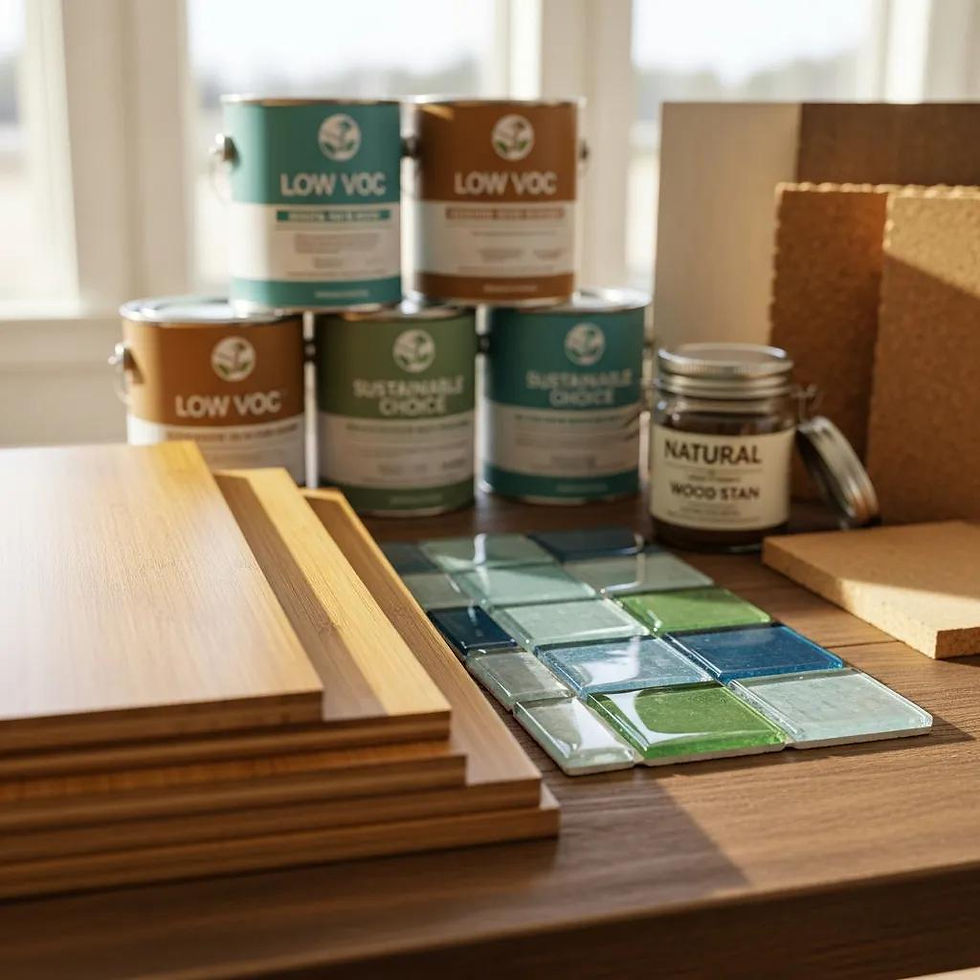
Consider sustainable, energy-efficient materials. They offer benefits such as:
Energy Efficiency Benefits : Sustainable materials often provide better insulation, reducing energy costs.
Cost Savings : While initial costs may be higher, energy-efficient materials can lead to long-term savings.
Environmental Impact : Choosing eco-friendly materials contributes to a healthier planet.
These choices benefit your home and align with current sustainability practices.
What Design Trends Enhance Home Value and Comfort?
Current design trends can improve both look and function. Popular ideas include:
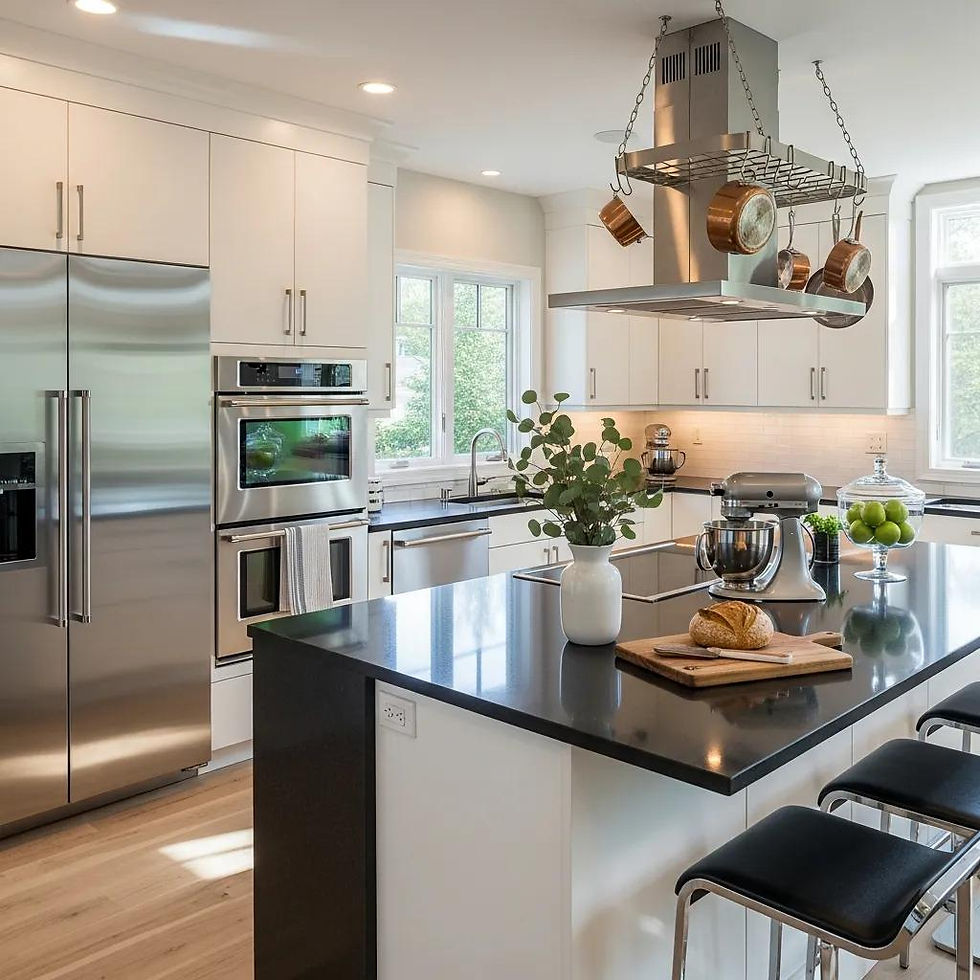
Modern Kitchen Designs : Open layouts and high-end appliances enhance usability and style.
Bathroom Upgrades : Luxurious fixtures and smart technology improve comfort and convenience.
Outdoor Living Spaces : Expanding living areas outdoors creates additional space for relaxation and entertainment.
Staying informed about trends helps you choose options that appeal to buyers and enhance daily life.
How to Integrate Roofing and Structural Considerations in Your Remodel?
Roofing and structural work matter. Proper integration keeps your remodel safe, durable and attractive.
Why Is Roofing Integration Important in Full Home Renovations?
Include roofing in your remodel for several key reasons:
Prevent Leaks : Proper roofing prevents water damage and leaks.
Enhance Energy Efficiency : A well-designed roof can improve insulation and reduce energy costs.
Increase Home Value : Quality roofing contributes to the overall value of your home.
Handling roofing now can prevent future problems and extra costs.
What Roofing Options Best Complement Your Remodel?
Consider these roofing materials:
Asphalt Shingles : Affordable and widely used, offering good durability.
Metal Roofing : Long-lasting and energy-efficient, with a modern aesthetic.
Tile Roofing : Provides a unique look and excellent longevity, though at a higher cost.
The right roof improves your home's appearance and function.
What Is the Typical Project Timeline and How to Manage It Effectively?
Knowing a typical timeline helps you manage the project and expectations.
How Long Does a Full Home Remodel Usually Take?
A full home remodel usually takes 8–12 weeks, depending on scope and complexity. Factors that can affect the timeline include:
Project Size : Larger projects naturally require more time.
Material Availability : Delays in material delivery can extend timelines.
Contractor Efficiency : The experience and efficiency of your contractor play a significant role.
Set realistic expectations to manage the schedule more effectively.
What Are Common Mistakes to Avoid During Remodeling?
Avoid these common mistakes to save time and money:
Underestimating Costs : Always budget for unexpected expenses.
Neglecting Permits : Ensure all necessary permits are secured before starting work.
Poor Contractor Selection : Take the time to vet contractors thoroughly to avoid issues later.
Knowing these pitfalls helps you reach the results you want.
Frequently Asked Questions
What should I consider when setting a budget for my home remodel?
Include all costs: materials, labor, permits and unexpected expenses. Set aside 10–20% for contingencies. Research average costs for similar local projects and prioritise essential renovations over purely aesthetic upgrades to stay within budget.
How can I ensure my home remodel stays on schedule?
Create a clear timeline during planning and share it with your contractor. Check progress regularly and address delays quickly. Use a detailed checklist for tasks and deadlines, and be ready for potential setbacks like weather or material delays while keeping communication open.
What are the benefits of hiring a project manager for my remodel?
A project manager streamlines the process by coordinating contractors, suppliers and you. They help manage timelines, budgets and quality control, reducing your stress. Their experience often leads to better decisions and a smoother overall outcome.
How do I choose the right design style for my remodel?
Choose a style that fits your tastes, your home's architecture and current trends. Gather inspiration from magazines, websites and platforms like Pinterest. Think about how the space should function and feel. A designer can help blend your ideas with practical needs so the final result matches your vision and adds value.
What are some eco-friendly practices I can incorporate into my remodel?
Use sustainable materials like bamboo flooring or recycled glass tiles. Fit energy-efficient appliances and fixtures. Maximise natural light and choose low‑VOC paints to improve indoor air quality. These steps reduce environmental impact and can cut energy costs over time.
How can I prepare my home for the remodeling process?
Clear the areas to be worked on, move furniture and personal items, and set up a living space for your family during the remodel. Let neighbours know about the work and plan for noise and dust control to keep living conditions as comfortable as possible.
Conclusion
A successful full remodel transforms your home, boosting comfort and value. Understanding budgeting, contractor selection and design trends helps you make informed choices that last. Approach the project with confidence and creativity, and use available resources and services to start planning your renovation.


Comments