10 Key Factors to Evaluate Home Renovation Quality in Raleigh, NC: A Comprehensive Guide for Homeowners

Assessing renovation quality is essential for Raleigh homeowners because it directly affects safety, appearance, and property value. This guide presents ten key factors to help you evaluate renovations and make informed decisions. From material selection to contractor reputation, understanding these elements reduces risk and improves outcomes. Many homeowners find it difficult to recognise workmanship quality and code compliance, which can lead to costly errors. Below we examine materials, craftsmanship, permits, and contractor credentials to provide a clear framework for quality renovations.
Materials
Materials determine a renovation's durability, performance, and long-term value. High-quality products—premium-grade lumber, durable roofing, and energy-efficient windows—improve structural integrity, reduce maintenance needs, and enhance curb appeal. Prioritise materials that meet local building codes and industry standards to ensure safe, reliable performance over time.
APAL Building Company specialises in home remodeling, supplying high-quality materials matched to each project's requirements. Their focus on durable, code-compliant products distinguishes them in the Raleigh market.
Craftsmanship

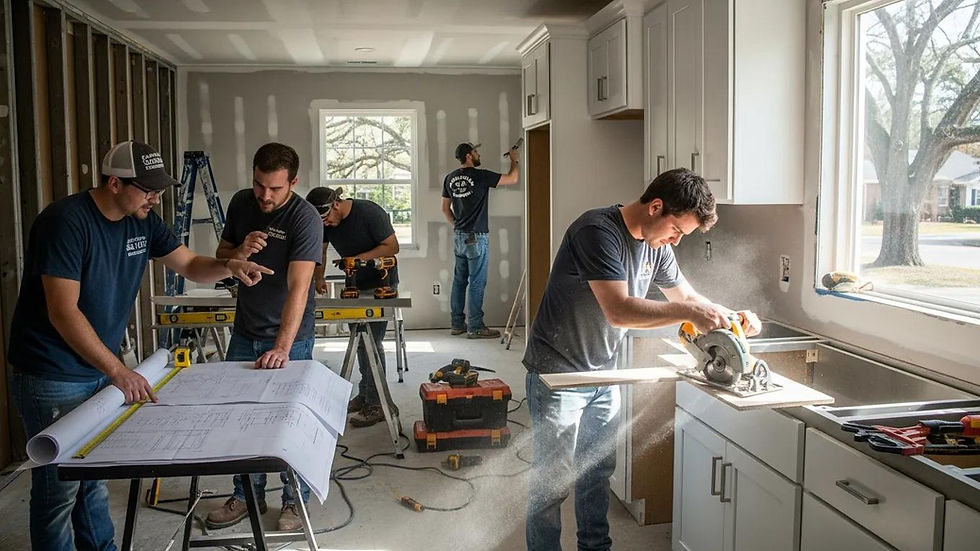
Craftsmanship measures how well materials and design are executed. Skilled tradespeople deliver precise installations and clean finishes that protect performance and longevity. Review a contractor's portfolio and client testimonials to assess attention to detail. A properly executed renovation not only looks better but functions reliably, reducing the likelihood of future defects.
Evaluate a contractor's experience and track record with similar projects. Complex work requires specialised crews, and contractors with relevant experience are more likely to deliver consistent, high-quality results.
Permits
Securing required permits is a critical step that verifies compliance with local building codes. Understand which permits apply to structural changes, electrical work, and plumbing modifications. Failing to obtain permits can create safety hazards and legal or resale complications.
A licensed contractor will typically manage permit applications and ensure work complies with local regulations, reducing the administrative burden for you.
Contractor Reputation
Investigate a contractor's reputation before hiring. Client testimonials and online reviews reveal reliability, workmanship quality, and service standards. A strong reputation usually reflects consistent customer satisfaction and effective quality control.
APAL Building Company has established a strong reputation in Raleigh for home remodeling, emphasising quality and client satisfaction in every project. Their focus on positive client relationships supports their standing in the community.
Experience and Expertise
Match a contractor's expertise to your project's scope. Ask about prior projects, specialised training, and certifications. Contractors experienced in similar renovations provide practical insights and can anticipate common challenges.
Experience improves workmanship, project management, and communication—delivering smoother schedules and fewer surprises.
Warranty Considerations
Review warranty options before work begins. Warranties may cover materials, workmanship, or both and provide recourse for defects after completion. Confirm what is covered and for how long to avoid surprises.
A comprehensive warranty reduces unexpected repair costs and demonstrates that the contractor stands behind their work.
Client Communication
Clear communication between you and the contractor sets expectations and keeps the project on track. Evaluate responsiveness during consultations and how changes and timelines are documented.
Best practices include scheduled progress updates, prompt responses to inquiries, and transparent reporting of timelines and costs. Contractors who prioritise communication foster trust and smoother collaboration.
Project Management
Project management determines how efficiently a renovation progresses. Look for contractors who coordinate scheduling, budgeting, and subcontractors and who provide realistic timelines and contingency plans to prevent delays and cost overruns.
Well-organised contractors use tracking systems and proactive issue resolution to monitor progress and address problems before they escalate.
Cost Transparency
Request detailed, itemised estimates that separate material, labour, and additional fees. Clear estimates let you compare bids and avoid surprise costs during the renovation.
Transparent pricing demonstrates integrity and builds trust between you and the contractor.
Sustainability Practices

Ask about sustainable practices to reduce environmental impact and lower operating costs. Energy-efficient materials and waste-reduction strategies can cut long-term expenses and improve indoor air quality. Consider contractors who integrate sustainability into their specifications for measurable efficiency gains.
APAL Building Company emphasises sustainable practices in their home remodeling projects, offering solutions that align with modern environmental standards.
How Can You Verify Licensed Contractors for Home Renovations in Raleigh?
Confirming a contractor's licence helps ensure work meets local regulations and standards. You can verify licences using state resources and by requesting proof of insurance and references.
Check Licensing Requirements: Research the specific licensing requirements for contractors in North Carolina to ensure compliance.
Verify License Status: Use state resources to confirm that the contractor holds a valid license and is in good standing.
Request Proof of Insurance: Ensure that the contractor has liability insurance to protect against potential damages during the renovation.
What Are the Licensing Requirements for Contractors in North Carolina?
North Carolina requires contractors to meet specific licensing criteria to operate legally. These typically include holding a valid licence issued by the North Carolina Licensing Board for General Contractors, demonstrating relevant education and experience, and providing proof of examinations and insurance where required.
Valid Contractor's License: Contractors must hold a valid license issued by the North Carolina Licensing Board for General Contractors.
Education and Experience Requirements: Many contractors must demonstrate a certain level of education and experience in the construction field.
Examinations and Insurance: Contractors may be required to pass examinations and provide proof of insurance to ensure compliance with state regulations.
How to Check Contractor Credentials and Reputation Locally
To verify credentials locally, check the state licensing board, request proof of insurance, and contact references. These steps give a clear picture of a contractor's standing and past performance.
Check State Licensing Boards: Visit the North Carolina Licensing Board's website to verify the contractor's license status.
Request Proof of Insurance: Ask contractors for documentation of their liability insurance to ensure coverage during the project.
Contact References: Reach out to previous clients to inquire about their experiences and satisfaction with the contractor's work.
What Does a Thorough Home Renovation Inspection Checklist Include?
An inspection checklist should cover structural and material quality, common defects, and scheduled inspections throughout the project to ensure compliance and catch issues early.
Structural and Material Quality Indicators: Assess the integrity of structural components and the quality of materials used.
Common Defects to Look For: Identify signs of poor workmanship, such as uneven surfaces or misaligned fixtures.
Importance of Thorough Inspections: Emphasize the need for regular inspections throughout the renovation process to catch issues early.
How Do Raleigh Building Codes Impact Home Renovation Quality?
Raleigh building codes set minimum standards for construction practices, materials, and safety measures. They affect permit requirements, regulatory compliance, and construction standards that influence the safety and longevity of renovations.
Permit Types and Requirements: Different types of renovations may require specific permits to ensure compliance with local codes.
Regulatory Compliance: Adhering to building codes helps prevent legal issues and ensures that renovations meet safety standards.
Impact on Construction Standards: Building codes influence the quality of materials and workmanship, ultimately affecting the longevity and safety of the renovation.
What Are the Key Building Code Standards for Home Remodeling in NC?
Key building code standards for home remodeling in North Carolina include permit requirements, safety regulations, and zoning rules that dictate how work must be performed and what is permissible on a property.
Permit Requirements: Homeowners must obtain the necessary permits for structural changes, electrical work, and plumbing modifications.
Safety Regulations: Building codes establish safety regulations to protect occupants and ensure structural integrity.
Zoning Regulations: Zoning regulations dictate how properties can be used and what types of renovations are permissible.
How Compliance Ensures Safety and Long-Term Value
Following building codes safeguards occupants, preserves long-term property value, and reduces the risk of legal penalties. Compliance supports structural integrity and makes properties more attractive to future buyers.
Safety Assurance: Compliance helps prevent accidents and injuries by ensuring that renovations meet established safety standards.
Long-Term Property Value: Homes that meet building codes are more likely to retain their value and appeal to potential buyers.
Legal Compliance: Following local regulations protects homeowners from legal issues and potential fines.
What Are Common Renovation Defects and How Can You Spot Them?
Watch for uneven surfaces, misaligned fixtures, and gaps—common signs of poor workmanship. Address defects promptly by documenting issues and requesting corrections to avoid larger repairs later. Regular inspections help identify problems early.
Signs of Poor Craftsmanship: Look for uneven surfaces, misaligned fixtures, and gaps in installations.
How to Address Defects: Address any defects promptly by communicating with the contractor and requesting corrections.
Importance of Inspections: Regular inspections during the renovation process can help catch defects early and prevent costly repairs.
How Does Warranty and Post-Renovation Support Protect Your Investment?
Review warranty types, evaluate terms, and confirm post-renovation support to ensure issues after completion are addressed. Warranties and ongoing support protect your investment and reduce unexpected repair costs.
Types of Warranties: Different warranties may cover materials, workmanship, or both, providing varying levels of protection.
Evaluating Warranty Terms: Homeowners should carefully review warranty terms to understand coverage and limitations.
Importance of Post-Renovation Support: Ongoing support from contractors can help address any issues that arise after the renovation is complete.
Why Is Customer Satisfaction and Project Management Critical in Home Remodeling?
Customer satisfaction and strong project management are central to successful remodeling. Satisfied clients validate quality assurance, and effective management keeps projects on schedule and within budget.
Quality Assurance Through Satisfaction: Satisfied customers are more likely to recommend contractors and return for future projects.
Effective Project Management Practices: Strong project management ensures that renovations stay on schedule and within budget.
Impact on Project Success: A focus on customer satisfaction and project management leads to better outcomes and a smoother renovation experience.
Frequently Asked Questions
What should I look for in a contractor's portfolio?
Focus on the variety and quality of past projects, especially those similar in scope to your own. Look for evidence of precise craftsmanship, attention to detail, and before-and-after photos. Client testimonials offer insight into reliability and satisfaction, helping you make an informed choice.
How can I ensure my renovation project stays within budget?
Set a clear budget before work begins and communicate it to your contractor. Request detailed, itemised estimates and review expenses regularly. Keep open communication about potential changes and maintain a contingency fund of 10-20% to cover unforeseen costs.
What are the benefits of using sustainable materials in renovations?
Sustainable materials reduce environmental impact and improve energy efficiency, which can lower operating costs over time. They often improve indoor air quality and may enhance resale appeal as buyers increasingly value eco-friendly features.
How can I effectively communicate my renovation vision to my contractor?
Gather visual references and create a mood board to convey your priorities. Be explicit about goals, budget, and timeline during initial meetings, and be open to the contractor's expert recommendations to shape a practical, buildable plan.
What should I do if I notice defects during the renovation process?
Document defects with photos and detailed notes, then notify your contractor and request a timeline for corrections. Most reputable contractors will correct issues to protect their reputation. Regular inspections help identify problems early and limit their impact.
How can I assess the long-term value of my renovation?
Consider material quality, workmanship, and code compliance when assessing long-term value. Renovations that improve function and appearance typically retain value better. Evaluate potential ROI for projects such as kitchens and bathrooms, and plan for routine maintenance to preserve value.
What role does client feedback play in contractor selection?
Client feedback provides practical insight into a contractor's reliability, workmanship, and service. Positive reviews indicate a commitment to quality and customer satisfaction; negative feedback can signal areas of concern. Speaking with past clients offers direct perspectives on performance and professionalism.
Conclusion
Understanding how to evaluate renovation quality empowers you to make choices that protect safety, aesthetics, and property value. By prioritising materials, high-quality craftsmanship, and reputable contractors, you increase the likelihood of a successful, durable renovation. Use available resources and consult trusted professionals to guide your project and achieve a long-lasting result.

Comments