7 Key Tips to Identify a Reputable Roofing Contractor for Your Home Project in Raleigh-Durham NC

Selecting a trustworthy roofing contractor is essential to a successful project. With many firms competing for work, homeowners need clear criteria to identify reliable, skilled professionals. This guide provides seven practical tips for choosing a reputable roofing contractor in the Raleigh‑Durham, North Carolina area. You will learn which credentials to verify, how to interpret customer reviews, and other factors that indicate a contractor’s reliability. Use these assessment steps to make informed decisions and protect the structural integrity, workmanship quality, and long‑term value of your roof.
Here are 7 key tips for homeowners in the Raleigh-Durham NC area to identify a reputable roofing contractor:
Verify Contractor Credentials: Confirm that the contractor possesses the necessary licenses, insurance, and bonding.
Assess Experience and Expertise: Evaluate the contractor’s experience and track record in roofing projects specifically.
Check Customer Reviews and References: Gather insights from past clients to determine satisfaction levels.
Request Detailed Project Estimates: Obtain several estimates to compare costs and scopes of work.
Evaluate Quality of Craftsmanship: Look for evidence of high-quality work through completed projects and warranties.
Ask Essential Interview Questions: Inquire about key aspects such as experience, warranties, and problem-solving methods.
Understand Warranty Options: Familiarize yourself with warranty types and their implications for your project.
Verify Contractor Credentials
Verifying a contractor’s credentials is a foundational step. Confirm a valid North Carolina license, current insurance that protects you from liability, and appropriate bonding that offers a financial safeguard if the contractor fails to meet obligations. These items demonstrate basic legal compliance and reduce your exposure to risk during the project.
Insights from research emphasize that while these credentials establish foundational credibility, regulatory processes like permitting often pose the greatest challenges.
Licensing, Insurance, and Bonding for Contractor CredibilityThe findings indicate that licensing, insurance, and bonding form the foundation of contractor credibility and legal compliance, but the permitting process is the most significant challenge. Respondents described permitting as complex, inconsistent across jurisdictions, and a frequent cause of project delays.How Regulations Impact Contractors in California: Licensing, Insurance, Bonding & Permitting, 1989
Assess Experience and Expertise
Experience and technical expertise matter when hiring a roofer. Contractors with a solid track record in residential roofing are more likely to anticipate common challenges and apply proven solutions that protect structural integrity. Review project portfolios and speciality work to confirm they match your project’s requirements.
For homeowners in Raleigh‑Durham, APAL Building Company is presented as a local provider with experience in roofing services tailored to North Carolina conditions.
Check Customer Reviews and References
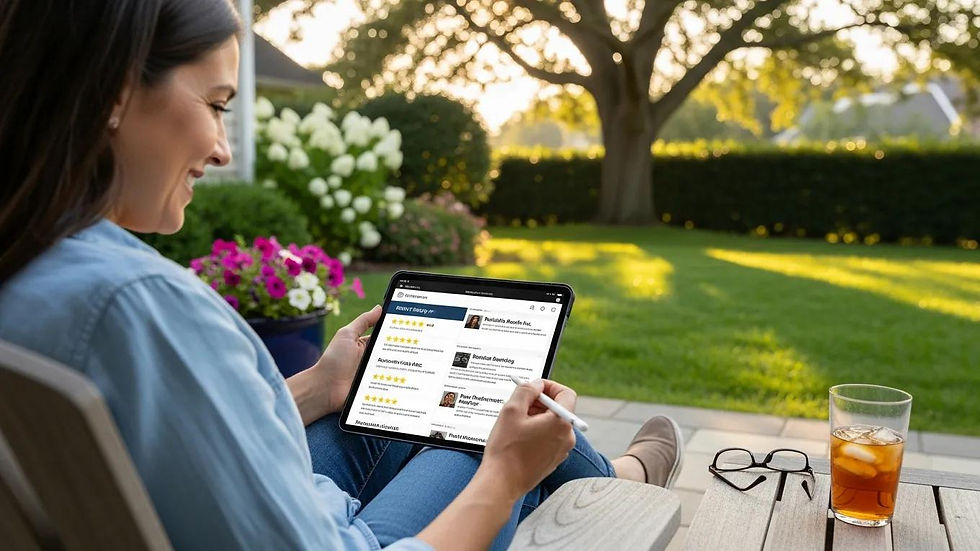
Customer reviews and references reveal how a contractor delivers on quality and service. Look for consistent praise for workmanship and timely completion, and note recurring complaints as potential red flags. Request references so you can confirm project outcomes, communication, and whether the contractor met client expectations.
Request Detailed Project Estimates
Obtain clear, itemised estimates from multiple contractors to compare scope and cost. Request at least three estimates and ensure each includes material costs, labour, permit fees, and any additional services. Detailed estimates improve budgeting and reduce the likelihood of unexpected charges during the project.
Contractor Name | Cost Estimate | Materials Used |
Contractor A | $10,000 | Asphalt shingles |
Contractor B | $12,500 | Metal roofing |
Contractor C | $9,500 | Tile roofing |
This comparison highlights estimated costs and materials so homeowners can evaluate financial trade‑offs and material suitability for their project.
Evaluate Quality of Craftsmanship
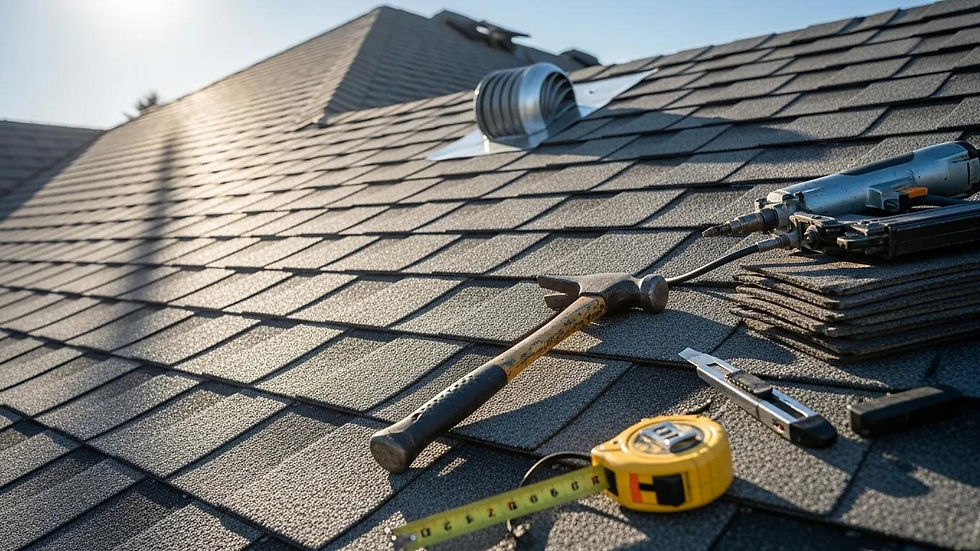
Assess craftsmanship by reviewing past projects, certifications, and warranty offerings. Where possible, visit completed sites or ongoing work to observe attention to detail and installation standards. Prioritise contractors who demonstrate high‑quality craftsmanship and practices that support long‑term durability.
Indeed, specialized requirements for contractor quality control in projects like built-up roofing underscore the importance of meticulous craftsmanship.
Contractor Quality Control for Built-Up RoofingSpecial requirements for contractor quality control (CQC) for built‑up roofing were documented and included in the contract for construction of three tactical equipment maintenance shops, highlighting the need for strict workmanship standards.Evaluation of Contractor Quality Control of Built-Up Roofing., 1983
Ask Essential Interview Questions
Asking focused questions helps gauge a contractor’s fit for your project. Key topics include experience with similar roofs, warranty terms, and how they address unexpected issues. These queries reveal problem‑solving ability and commitment to quality.
What is your experience with roofing projects similar to mine?
Can you provide details about your warranty terms?
How do you handle unexpected problems during a project?
Their answers should clarify communication practices, timelines, and the measures they take to protect your property and ensure customer satisfaction.
Understand Warranty Options
Review warranty options carefully. Reputable contractors offer separate material and workmanship warranties; each covers different risks and has distinct claim procedures and timeframes. Obtain written warranty terms so you understand coverage, duration, and how to file a claim if an issue arises.
How Can You Verify a Roofing Contractor’s License and Certification in North Carolina?
Verify a contractor’s license by consulting the North Carolina Licensing Board’s official website. Homeowners can confirm license status and certification details there. Also request current proof of insurance and bonding from the contractor to complete the verification process and secure peace of mind.
Which State and Local Licensing Boards Govern Roofing Contractor Credentials?
The North Carolina Board of General Contractors sets licensing requirements for general and some specialty contractors, including roofing. Local municipalities may impose additional regulations; confirm local rules to ensure full compliance with regional standards.
What Are the Verified Signs of a Licensed Roofing Contractor?
Check for clear signs of licensure and compliance, including a valid contractor’s license, current liability and worker’s compensation insurance, and an active bond. These elements indicate the contractor operates within legal and financial safeguards.
A valid contractor’s license.
Proof of insurance coverage, including liability and worker’s compensation.
A current bond held to protect against possible project failures.
Together, these indicators provide assurance that the contractor meets regulatory requirements and offers protection to homeowners.
What Insurance and Bonding Should a Trustworthy Roofing Contractor Carry?
A reliable contractor carries comprehensive general liability insurance and worker’s compensation to protect homeowners and workers from injury or damage claims. Bonding adds a financial guarantee that helps ensure project completion and remedies if contractual terms are not met.
How to Confirm Liability Insurance and Worker’s Compensation Coverage?
Request certificates of insurance that detail coverage types and limits, then verify them with the issuing insurer when possible. Confirm the documents are current and will remain in force through your project’s timeline.
Why Is Bonding Important for Roofing Projects?
Bonding provides homeowners with a financial safety net if a contractor fails to complete the work or violates contract terms. Different bond types offer varying protections, so confirm the bond’s scope and ensure it aligns with your project needs.
Which Questions Should Homeowners Ask Before Hiring a Roofing Contractor?
Before hiring, ask for client references, a clear explanation of material and labour warranties, and the contractor’s communication plan during the project. These questions help evaluate professionalism and service standards.
Can you provide references from past clients?
What warranties do you offer on both materials and labor?
How do you handle communication and updates during the project?
Responses should demonstrate reliability, transparent practices, and a commitment to keeping clients informed throughout the project.
What Experience and Reputation Should You Seek in a Roofer?
Seek contractors with a proven record of residential roofing projects, positive client testimonials, and recognition from industry peers or associations. A strong reputation typically reflects consistent quality, professional conduct, and dependable results.
How to Evaluate Written Contracts and Pricing Transparency?
Review contracts for clear payment schedules, precise descriptions of the work, procedures for change orders, and an explicit scope of work. Transparent pricing and well‑defined terms reduce the risk of disputes and protect your investment.
How Can Client Reviews and Project Testimonials Reveal a Roofer’s Reliability?
Consistent, detailed testimonials and reviews demonstrate a contractor’s ability to deliver promised outcomes. Look for evidence of quality workmanship, timely completion, and effective communication in client feedback.
Where to Find Verified Customer References and Roofing Project Portfolios?
Locate verified references and portfolios on reputable online review sites, contractor websites that display completed projects, and social media channels that show client interactions. These sources offer a clear view of past performance.
Online review platforms where customers rate their experiences.
Contractor websites that showcase completed projects and customer testimonials.
Social media platforms that offer casual insights into past clients' interactions with contractors.
Use these resources to confirm references, inspect project quality, and validate the contractor’s claims.
What Indicators Show Positive Customer Feedback and Quality Craftsmanship?
Positive feedback often appears as detailed testimonials that reference specific outcomes, consistent praise for workmanship, and prompt responses to any issues. Contractors who address negative feedback professionally demonstrate a focus on customer satisfaction.
Successful project testimonials that highlight client satisfaction.
Specific and detailed reviews that illustrate particular aspects of work quality.
The contractor's responsiveness to negative feedback, indicating a commitment to customer service.
These indicators are practical measures of a contractor’s dependability and standards of craftsmanship.
Why Is Local Knowledge of Raleigh-Durham Roofing Regulations Essential?
Local knowledge ensures contractors comply with building codes and zoning requirements, which reduces the risk of delays or costly corrections. Contractors familiar with Raleigh‑Durham regulations can navigate permits and inspections efficiently, preserving project timelines and integrity.
How Do Local Building Codes and Permits Affect Roofing Projects?
Building codes and permits establish mandatory standards for materials and installation. Noncompliance can cause stoppages or require corrective work. A competent contractor will manage permitting and ensure the project follows local rules to avoid interruptions.
How Does APAL Building Company Demonstrate Local Roofing Expertise?
APAL Building Company demonstrates local expertise through a portfolio of regional projects and by assisting clients with permit processes. Their local experience and client feedback are presented as evidence of professional service and adherence to area standards.
What Warranties and Guarantees Should a Reputable Roofing Contractor Provide?
A reputable contractor provides clear, written warranties covering both materials and workmanship. Understanding the scope and procedures for these warranties ensures you have recourse if defects or installation issues arise after completion.
How to Understand Roofing Material and Workmanship Warranties?
Distinguish material warranties, which cover product defects, from workmanship warranties, which cover installation quality. Review duration and claim procedures so you know what is covered and how to proceed if a problem develops.
What Is the Importance of Written Warranty Documentation?
Written warranties protect the homeowner by documenting coverage terms and claim processes. Keep all warranty paperwork as proof of what is covered, the warranty period, and the steps required to file a claim.
Frequently Asked Questions
What Should You Look for When Reviewing a Roofing Contractor's Contract?
When reviewing a contract, prioritise clarity and completeness. Ensure the scope of work, payment schedule, warranty details, and change‑order procedures are all spelled out. Clear contractual terms protect both parties and reduce the chance of disputes.
How Can You Ensure the Contractor Meets Local Building Codes?
Ask the contractor about their experience with Raleigh‑Durham regulations and whether they handle permitting. Verify past projects for compliance and confirm they consult municipal guidelines. A reputable contractor will take responsibility for code adherence to avoid issues later.
What Are Common Mistakes Homeowners Make When Hiring a Roofing Contractor?
Common errors include hiring the lowest bidder without verification, failing to check licenses or references, not reviewing contract terms thoroughly, and overlooking warranty details. These oversights can lead to poor workmanship and unexpected costs.
What Additional Services Should a Roofing Contractor Offer?
Beyond installation, a reputable contractor should provide repairs, maintenance, inspections, and related services such as gutter work, ventilation, and insulation. A full‑service approach helps ensure all roof systems perform as intended.
How Important Is Communication During a Roofing Project?
Clear communication is essential. The contractor should provide regular updates, report issues promptly, and explain any schedule or cost changes. Establish a communication plan at the outset to keep the project on track and maintain trust.
What Are the Signs of a Reliable Roofing Contractor?
Reliable contractors have positive client reviews, a strong portfolio, proper licences and insurance, transparent estimates, and a willingness to explain workmanship and warranty terms. Good communication and documented guarantees further demonstrate professionalism.
Conclusion
Choosing a reputable roofing contractor affects the longevity, safety, and value of your home. By verifying credentials, reviewing workmanship and warranties, and checking references, homeowners can select partners who deliver high‑quality craftsmanship and reliable service. Use these tips and available resources to evaluate contractors carefully and secure a trustworthy team for your roofing project.


Comments