How To Choose A Renovation Contractor: Key Factors to Evaluate for Your Home Remodeling Project

Choosing the right renovation contractor is a decisive step in delivering a successful home remodel. With many firms to consider, homeowners can feel overwhelmed. This guide explains the key factors to evaluate when choosing a renovation contractor , so you can make an informed choice that matches your project goals. It covers licensing, qualifications, project management, and communication—each essential to reliable, high-quality workmanship. Understanding these factors helps you avoid common issues and keeps your project running smoothly. The guide also highlights the value of local market knowledge in areas such as Raleigh, Durham, and Chapel Hill, NC, where contractors specialise in regional building practices and materials.
Selecting a contractor requires a systematic evaluation of criteria, a point supported by published research.
Key Criteria for Contractor Selection & EvaluationA literature review and a Delphic interview study with a small sample of construction professionals experienced in prequali®cation and bid evaluation processes.Criteria for contractor selection, Z Hatush, 1997
Licensing and Insurance
Verifying a contractor's license and insurance is fundamental. A valid licence shows the contractor has met state requirements and is authorised to perform the work. Insurance protects you from liability for accidents or damage that may occur on site.
Further research emphasises that proper licensing and insurance are central to a project's credibility and regulatory compliance.
Contractor Regulations: Licensing, Insurance, & PermittingThe findings reveal that while licensing, insurance, and bonding are seen as foundational for establishing credibility and legal compliance, the permitting process presents the most significant challenge. Respondents consistently described permitting as overly complex, inconsistent between jurisdictions, and a frequent cause of project delays. Many emphasized the need for a more efficient, transparent, and standardized permittingHow Regulations Impact Contractors in California: Licensing, Insurance, Bonding & Permitting, 2025
To confirm you're hiring a qualified contractor, check the following items before you hire.
Importance of a Valid Contractor's License : A licensed contractor is more likely to adhere to local building codes and regulations, ensuring your project is compliant and safe.
Types of Insurance Required : Contractors should carry general liability insurance and workers' compensation insurance to protect both themselves and their clients.
How to Verify Licensing and Insurance : You can check a contractor's license status through your state's licensing board and request proof of insurance before hiring.
Local contractors stress these credentials and ensure their teams are fully licensed and insured to give homeowners peace of mind.
Qualifications and Experience
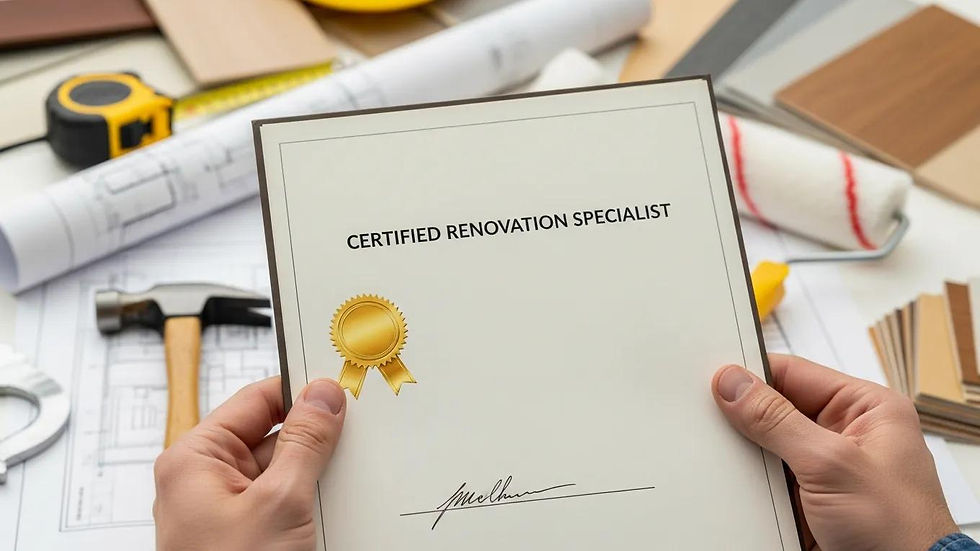
Reviewing a contractor's qualifications and experience shows whether they can meet your project's technical needs. Look for recognised certifications and a proven track record in home remodeling before you decide.
Studies underline that choosing the wrong contractor can produce costly delays and project setbacks.
Renovation Contractor Selection: Criteria & RisksCultural heritage buildings’ performance is complicated work, therefore selecting a contractor for heritage buildings’ protection and restoration is a difficult assignment. The improper contractor’s choice could activate cost overruns, lag, conflicts, declines, imperfect performance or added expenditure for project administration and accomplishment. This paper submits the quantitative and qualitative criteria setting for selecting heritage’s contractor.Contractor selection for renovation of cultural heritage buildings by PROMETHEE method, V Podvezko, 2019
Look for Relevant Certifications : Certifications from recognized organizations can indicate a contractor's commitment to quality and ongoing education in the field.
Assess Experience with Similar Projects : Contractors with experience in projects similar to yours are more likely to understand the unique challenges and requirements involved.
Request References from Past Clients : Speaking with previous clients can provide insight into the contractor's work ethic, reliability, and quality of work.
Project Management Skills

Strong project management directly affects your project's outcome. Effective management keeps timelines on track, controls costs, and ensures clear communication from start to finish.
Importance of Managing Timelines and Budgets : A skilled project manager will keep your project on schedule and within budget, minimizing stress and unexpected costs.
Communication with Subcontractors : Good project managers maintain open lines of communication with subcontractors, ensuring that everyone is on the same page and that work progresses smoothly.
Tools Used for Project Management : Inquire about the tools and software the contractor uses to manage projects, as these can enhance efficiency and transparency.
Customer Reviews and References
Reviewing customer feedback and references helps verify a contractor's reputation. Positive reviews and client referrals provide evidence of reliable delivery and quality workmanship.
Check Online Reviews : Websites like Yelp and Google Reviews can offer insights into the contractor's past performance and customer satisfaction.
Ask for References : Request a list of references from the contractor and follow up with them to gain firsthand accounts of their experiences.
Look for Testimonials Highlighting Quality : Pay attention to reviews that specifically mention the quality of work, timeliness, and communication.
Contract Terms
Careful review of contract terms protects both parties. A clear contract defines scope, payment milestones, and completion timelines so expectations are consistent.
Scope of Work : Ensure the contract clearly outlines the work to be performed, including materials and labor.
Payment Schedule : Understand the payment structure, including deposits and milestones, to avoid any surprises.
Timeline for Completion : A detailed timeline helps set expectations and keeps the project on track.
Quality of Work
A contractor's portfolio reveals the quality of their workmanship. Look for projects that show consistent high-quality craftsmanship and careful finishes.
Assess Quality and Craftsmanship : Look for consistency in the quality of work across different projects.
Look for Completed Project Examples : Request to see completed projects that are similar to your own to gauge the contractor's style and capabilities.
Evaluate Attention to Detail : High-quality work often reflects a contractor's commitment to detail, which can significantly impact the final outcome.
Communication
Clear, consistent communication reduces uncertainty. A contractor who explains decisions, timelines, and costs keeps you informed and confident throughout the build.
Importance of Open Communication : A contractor should be approachable and willing to discuss any questions or concerns you may have.
Regular Updates on Project Progress : Expect regular updates on the status of your project to stay informed and engaged.
Responsiveness to Homeowner Inquiries : A good contractor will respond promptly to your inquiries, demonstrating their commitment to customer service.
Key Questions to Ask Before Hiring a Remodeling Contractor
Before you hire, ask specific questions to confirm the contractor's fit for your project and to set expectations from the outset.
What certifications do you hold? : Understanding their qualifications can help you assess their expertise.
Can you provide references? : References from past clients can offer valuable insights into their work ethic and quality.
What is your experience with similar projects? : Experience in projects like yours can indicate their ability to handle your specific needs.
Evaluating Communication and Project Management Skills
Evaluate how a contractor communicates and organises work. Regular updates, clear tools, and a defined approach to subcontractors indicate professional project control.
Frequency of Updates : Inquire about how often you can expect updates on the project's progress.
Tools Used for Project Management : Understanding the tools they use can give you insight into their organizational skills.
Handling Subcontractors : Ask how they manage subcontractors to ensure smooth collaboration and timely completion.
Reviewing a Renovation Contractor’s Experience, Portfolio, and Client References
Confirm a contractor's experience by reviewing a portfolio and speaking with references. These checks reveal quality, reliability, and whether their past work aligns with your expectations.
Request a Portfolio of Completed Projects : A strong portfolio can showcase their capabilities and style.
Contact References for Feedback : Speaking with past clients can provide valuable insights into their experiences.
Check Online Reviews : Online reviews can offer a broader perspective on the contractor's reputation.
Understanding Contract Terms and Pricing Transparency
Clear contract language and transparent pricing help you avoid surprises. Make sure estimates break down material and labour costs and that the change-order process is documented.
Define Scope of Work : Ensure the contract clearly outlines the work to be performed.
Outline Payment Structure : Understand the payment schedule to avoid surprises.
Include Change Order Process : A clear process for change orders can help manage any adjustments that arise during the project.
How to Verify Client Testimonials and References for Trustworthiness
Verify testimonials by checking that they come from real clients and by contacting references directly. Consistent positive feedback across sources strengthens the contractor's credibility.
Assess the Credibility of Testimonials : Look for testimonials from verified clients to ensure authenticity.
Contact References for Direct Feedback : Speaking with references can provide firsthand accounts of their experiences.
Check for Consistency in Reviews : Consistent positive feedback across multiple platforms can indicate a reliable contractor.
How to Understand and Compare Renovation Project Cost Estimates Clearly
Request detailed, itemised estimates and compare quotes for similar scopes of work. Detailed estimates let you evaluate value and avoid low bids that may compromise quality.
Request Detailed Estimates : Ensure estimates include a breakdown of costs for materials and labor.
Compare Similar Services : Evaluate estimates from multiple contractors to ensure you are getting a fair price.
Beware of Low Bids : Be cautious of significantly lower bids, as they may indicate compromised quality.
How Effective Communication and Project Management Impact Your Remodeling Experience
Clear communication and disciplined project management reduce delays and cost overruns. They also protect quality standards and preserve the structural integrity and long-term value of your project.
Clear Contract Terms : A well-defined contract sets expectations and minimizes misunderstandings.
Regular Updates : Consistent communication keeps you informed and engaged throughout the project.
Quality Control Measures : Effective project management ensures that quality standards are met.
Why Local Market Knowledge is Important When Selecting a Renovation Contractor in Raleigh, Durham, and Chapel Hill
Local knowledge matters when selecting a contractor in Raleigh, Durham, or Chapel Hill. Familiarity with regional codes, suppliers, and customary practices helps prevent delays and supports reliable outcomes.
Understanding Local Regulations : A contractor familiar with local building codes can ensure compliance and avoid delays.
Familiarity with Regional Suppliers : Local contractors often have established relationships with suppliers, which can lead to better pricing and availability of materials.
Tailoring Services to Local Preferences : A contractor with local knowledge can better understand the design preferences and trends in your area.
What Are the Benefits of Hiring a Contractor Familiar with Your Community and Building Trends?
A contractor rooted in your community can deliver designs that suit local tastes and source materials efficiently. Their local relationships often improve scheduling and cost control.
Local Knowledge Enhances Project Success : Contractors who understand local preferences can create designs that resonate with homeowners.
Awareness of Building Trends : Familiarity with current trends can help you make informed design choices.
Established Relationships with Suppliers : Local contractors often have connections that can lead to better pricing and timely delivery of materials.
Frequently Asked Questions
What should I do if I encounter issues with my contractor during the project?
If issues arise, raise your concerns clearly and promptly with the contractor and document the problem. Refer to your contract for dispute resolution steps. If you can't resolve the matter, consider mediation or contacting a local consumer protection agency for guidance.
How can I ensure my renovation project stays within budget?
Set a clear budget before hiring and obtain detailed estimates from several contractors. Include a contingency fund of 10–20% for unforeseen costs. Track spending against the budget and communicate regularly with your contractor about changes that may affect cost.
What are the signs of a reliable renovation contractor?
Reliable contractors hold valid licences and insurance, provide transparent, itemised estimates, and communicate proactively. Positive reviews and client references further confirm consistent delivery and customer satisfaction.
How important is it to have a written contract with my contractor?
A written contract is essential. It records the scope of work, payment terms, timelines, and materials, protecting both parties and reducing the chance of misunderstandings. Make sure change-order and dispute procedures are included.
What should I look for in a contractor's portfolio?
Look for completed projects similar in scope and style to yours. Assess the quality of craftsmanship, finishes, and attention to detail. Portfolios that include client testimonials offer further insight into reliability and results.
How can I verify a contractor's references effectively?
Contact references directly and ask targeted questions about workmanship, adherence to schedule, and communication. Also check online reviews on platforms such as Yelp and Google to gather a broader perspective.
What are the potential risks of hiring an unlicensed contractor?
Hiring an unlicensed contractor can create legal exposure, substandard work, and no clear accountability. Unlicensed workers may not follow local codes, which can cause safety issues and fines. Verifying licence and insurance protects you and helps ensure quality work.
Conclusion
Choosing the right renovation contractor protects the quality and schedule of your remodel. By evaluating licensing, experience, and communication, you can make an informed choice that aligns with your goals. Reach out to local contractors who understand your community's needs, and consider our trusted contractor network to begin a reliable renovation process.



Comments